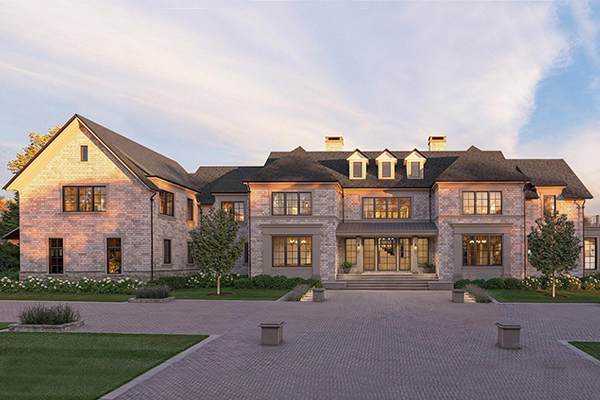
Buying a house or a condo is an exciting milestone, but it also comes with various costs that go beyond just the purchase price. Whether you are buying a home in Greenwich CT, investing in a rental property, or purchasing a condo in Greenwich, understanding these expenses is crucial to budgeting effectively. This guide will walk you through the expected costs when purchasing a property and provide insights on how a real estate agent can help you navigate the process.
Upfront Costs When Purchasing a Home or Condo
Down Payment
One of the most significant expenses when buying a home or condo is the down payment. The amount varies depending on the type of mortgage and lender requirements:
- Conventional Loans: Typically require 10-20% of the home’s purchase price.
- FHA Loans: Require as little as 3.5% down.
- VA and USDA Loans: May offer 0% down payment options for eligible buyers.
On a $500,000 home, for example, a 20% down payment would be $100,000, while a 3.5% down payment would be $17,500. Your real estate agent can recommend mortgage experts who can help you determine your best financing options.
Earnest Money Deposit
Earnest money, sometimes called a good faith deposit, is a deposit you make to show the seller you are serious about purchasing the property. This amount usually ranges from 1% to 3% of the home price and is held in escrow until closing. If the deal goes through, the deposit is applied toward the down payment or closing costs.
Home Inspection Fees
A home inspection is crucial to identify any potential issues before finalizing the purchase. The cost of a home inspection typically ranges from $300 to $600, depending on the size and location of the property.
Appraisal Fees
Lenders require an appraisal to determine the fair market value of the home before approving a mortgage. An appraisal typically costs between $300 and $500.
Credit Report and Loan Application Fees
When applying for a mortgage, lenders charge for processing your application and obtaining your credit report. These fees can range from $30 to $100.
Some of the above costs are included in the closing costs.
Closing Costs to Expect
Closing costs typically range from 2% to 5% of the home’s purchase price. These fees cover various expenses associated with finalizing the transaction.
Loan Origination Fees:
Lenders charge this fee for processing your mortgage application, and it usually costs 0.5% to 1% of the loan amount. Loan origination fees are different from loan application fees, which are typically a fixed amount.
Title Insurance and Title Search Fees:
Title insurance protects against potential ownership disputes or legal claims on the property. The cost varies but generally ranges from $500 to $3,000. A title search fee, which ensures the property’s title is clear of liens, costs around $200 to $400.
Attorney Fees:
Some states require a real estate attorney to oversee the closing process. Attorney fees typically range from $500 to $1,500.
Escrow Fees:
Escrow services handle the transfer of funds and legal documents during the closing process. These fees generally range from $500 to $2,000.
Property Taxes and Homeowners Insurance
When sellers provide a pre-listing inspection, buyers are less likely to demand repairs or price reductions. This helps smooth out the negotiation process and reduces the chances of deals falling through.
- Property Taxes: Buyers must pay property taxes upfront, usually prorated from the date of purchase. In Greenwich, CT, property tax rates vary but can add thousands of dollars to your closing costs.
- Homeowners Insurance: Mortgage lenders require buyers to secure homeowners insurance, which can cost anywhere from $800 to $3,000 per year.
HOA Fees (For Condos and Gated Communities)
If you are buying a condo in Greenwich, you will likely need to pay Homeowners Association (HOA) fees. These fees cover maintenance, amenities, and shared property expenses. The cost varies depending on the property, but monthly HOA fees can range from $200 to $1,000 or more.
Mortgage Points (Optional)
Mortgage points allow buyers to lower their interest rate by paying upfront. One point typically costs 1% of the loan amount and reduces the interest rate by 0.25%.
Ongoing Expenses After Purchasing Your Home or Condo
Mortgage Payments: Your monthly mortgage payment consists of
- Principal and interest
- Property taxes
- Homeowners Insurance
- Private mortgage insurance (PMI) if your down payment is less than 20%
Utility Costs: Once you move in, you’ll be responsible for utilities such as
- Electricity ($100–$500/month)
- Water ($30–$100/month)
- Gas ($50–$200/month)
- Internet and cable ($50–$200/month)
Maintenance and Repairs:
Regular maintenance is necessary to keep your home in good condition. Budget at least 1% of your home’s value per year for maintenance and repairs.
Landscaping and Lawn Care:
If your home has a yard, consider landscaping expenses. Lawn maintenance can cost $50 to $200 per month, depending on the property size.
Condo Association Fees:
For condo owners, monthly HOA fees cover maintenance, insurance, and amenities. Be sure to factor these into your budget before purchasing a condo in Greenwich.
Rental Property Expenses (If Investing)
If you’re buying a rental property, expect expenses such as:
- Property management fees (8-12% of rental income)
- Repairs and maintenance
- Tenant screening
- Advertising
How a Realtor Can Help You Manage Costs
A skilled real estate agent can help buyers understand and plan for these expenses. Whether you’re selling a home in Greenwich CT, buying a home in Greenwich, or investing in a rental property, working with a realtor in Greenwich ensures you are financially prepared.
Negotiating Closing Costs:
A real estate agent can negotiate with the seller to cover some of the closing costs, saving you thousands of dollars.
Finding the Right Mortgage Lender:
Realtors have connections with trusted lenders who can offer competitive rates and loan programs appropriate to your financial situation.
Understanding Condo Fees and Rental Income:
For those purchasing a condo in Greenwich or a rental property, a real estate agent can help analyze HOA fees, rental market trends, and return on investment potential.
Avoiding Hidden Costs:
A knowledgeable realtor will identify potential hidden costs, such as special condo assessments or needed home repairs, ensuring you make a well-informed purchase.
Purchasing a house or condo involves more than just paying the asking price. By understanding the associated costs, buyers can avoid financial surprises and make smarter investment decisions. Whether you’re buying a home in Greenwich, selling a home in Greenwich, or investing in rental property, I recommend working with a trusted realtor in Greenwich who will ensure a smooth and financially sound home-buying experience.