Quick Answer
Greenwich, CT offers buyers several forms of attached housing, including cooperative apartments and condominium residences. The town’s more-established co-op communities include Putnam Hill and Putnam Park, while waterfront condominiums provide a different ownership structure with opportunities for harbor views and a coastal lifestyle. Understanding how co-ops differ from condos is essential for buyers comparing location, ownership, financing, fees, and resale considerations.
Key Takeaways
- Putnam Hill and Putnam Park are well-known co-op communities offering a central Greenwich location and a more traditional apartment-style residential experience.
- Waterfront condominiums can provide harbor views, coastal access, and proximity to Greenwich’s waterfront amenities.
- Co-op buyers purchase shares in a corporation that owns the building, while condo buyers purchase an individual real estate unit.
- Monthly costs, board requirements, financing rules, amenities, and resale considerations can vary significantly between communities.
For buyers exploring apartments in Greenwich, CT, co-ops and condominiums can provide an alternative to traditional single-family homes while offering convenient locations and a lower-maintenance lifestyle. These properties can be particularly appealing to buyers who value proximity to downtown Greenwich, waterfront destinations, restaurants, shopping, and transportation.
Although co-ops and condos can look similar from the outside, the ownership structures are fundamentally different. Understanding those differences can help buyers evaluate everything from financing and monthly fees to board approval and long-term flexibility.
Putnam Hill and Putnam Park: Classic Co-op Communities in Central Greenwich, CT
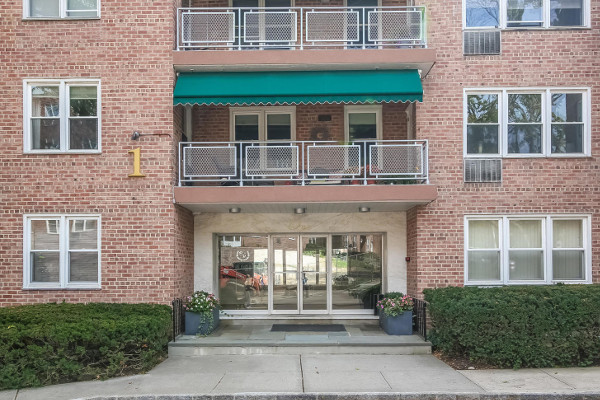
Putnam Hill and Putnam Park are two of Greenwich’s most recognizable cooperative complexes, located near the center of town. They are adjacent to each other, but separately managed. Their central setting places residents close to downtown shopping, restaurants, services, parks, and transportation.
The two communities offer a residential alternative for buyers who prefer apartment-style living without the maintenance responsibilities associated with a detached home. Properties within established co-op communities can also provide shared amenities and landscaped common areas.
Location is a major part of Putnam Hill’s and Putnam Park’s appeal. Buyers who want to remain close to Greenwich’s commercial center may appreciate being able to access everyday conveniences without relying entirely on a car.
The communities also illustrates why co-ops remain part of the Greenwich, CT housing landscape. They can appeal to buyers who prioritize location, established residential surroundings, and a managed community environment.
Waterfront Condos: Harbor Views and Coastal Living in Greenwich, CT
Waterfront condominiums offer a distinctly different lifestyle. Greenwich’s location on Long Island Sound gives some condo communities access to coastal scenery, marinas, waterfront paths, and harbor-oriented recreation.
For buyers researching waterfront condos in Greenwich, CT, views and proximity to the water can be major considerations. Depending on the property, residents may enjoy balconies, terraces, large windows, shared outdoor spaces, or convenient access to nearby waterfront destinations.
Waterfront living can also influence the character of everyday life. Morning walks, views across the harbor, proximity to boating activities, and easy access to coastal recreation can make these residences attractive to buyers seeking a more distinctive setting.
However, buyers should evaluate each property individually. A waterfront address does not necessarily mean direct water access, and views, exposure, flood considerations, maintenance responsibilities, and association costs can differ substantially between buildings.
Greenwich, CT Co-ops vs. Condos: Understanding the Main Difference
The most important distinction between the two is what the buyer actually owns.
With a condominium, the buyer typically purchases an individual real estate unit along with an interest in the building’s common elements. The owner holds title to the unit and generally has greater control over resale and financing, subject to the condominium association’s rules.
With a co-op, the buyer purchases shares in a corporation that owns the building. These shares provide the right to occupy a particular apartment under a proprietary lease or similar arrangement.
This difference can affect financing, taxes, monthly charges, renovations, rentals, and resale procedures. Co-ops may also have more extensive board review requirements than many condominium communities.
Neither structure is inherently better. The right choice depends on the buyer’s financial circumstances, lifestyle, intended holding period, and preferences regarding flexibility and community rules.
How Co-op Ownership Works for Greenwich, CT Buyers
Buying a co-op requires buyers to think beyond the physical apartment. Instead of purchasing the real estate unit itself, the buyer acquires shares in the corporation that owns the property.
The co-op’s governing documents establish the rights and responsibilities associated with those shares. Buyers may also need to submit financial information and other materials to the co-op board as part of the approval process.
Financing can differ from a conventional condominium purchase as well. Co-ops generally require higher down payments than condos. Some lenders offer specialized co-op financing, while building-level financial requirements can influence the options available to individual buyers.
Monthly maintenance charges are another important consideration. These payments may cover building operations, common-area maintenance, property taxes, utilities, insurance, or other expenses depending on the community.
Because of these differences, prospective buyers should review the co-op’s financial documents, rules, fees, reserves, financing requirements, and board policies before making an offer.
Amenities, Location, and Lifestyle in Greenwich, CT Co-op Communities
Amenities and location often play an important role in the appeal of co-op living. Centrally-located communities can place residents near downtown stores, restaurants, cultural destinations, parks, and transportation, while shared building amenities can simplify daily life.
Some properties may feature landscaped grounds, parking, elevators, common lounges, fitness areas, laundry facilities, or outdoor spaces. The specific offerings vary by building, so buyers should compare communities rather than assuming that every co-op provides the same features.
This convenience can be particularly attractive to buyers seeking a lock-and-leave lifestyle. Instead of maintaining a large private property, residents can enjoy a managed residential environment with many exterior responsibilities handled collectively.
Within the broader Greenwich, CT, real estate market, these properties occupy an important niche for buyers who want a centrally located residence without the responsibilities of a detached home.
What Buyers Should Consider When Choosing a Greenwich, CT Co-op or Condo
The best property for any buyer depends on more than its list price. Buyers should compare the ownership structure, monthly costs, building condition, reserve funds, rules, financing options, and potential resale considerations.
For co-ops, board approval, subletting restrictions, financing requirements, maintenance charges, and the financial health of the underlying corporation deserve particular attention.
Location should also remain central to the decision. A downtown co-op may be ideal for someone who prioritizes walkability, while a waterfront condominium may be better suited to a buyer who values views and proximity to the harbor.
A careful review of building documents and professional guidance from experienced real estate professionals can help buyers understand the practical implications before committing to a purchase.
Frequently Asked Questions (FAQ)
1. Are co-ops cheaper than condos in Greenwich, CT?
Not necessarily. Pricing depends on location, size, condition, amenities, ownership costs, and market demand. Buyers should compare the total cost of ownership rather than purchase price alone.
2. Can you finance a Greenwich, CT co-op?
Yes, financing may be available through lenders that offer co-op loans. Requirements can differ from conventional mortgage financing, so buyers should investigate financing early.
3. What is the main difference between a Greenwich, CT co-op and a condo?
A condo buyer generally owns the individual real estate unit, while a co-op buyer purchases shares in the corporation that owns the building and receives occupancy rights to a specific apartment.
4. Are Grennwich, CT waterfront condos good for buyers seeking a low-maintenance lifestyle?
They can be. Condominiums typically place exterior maintenance and common-area responsibilities with the association, although owners remain responsible for their individual unit and applicable association obligations.
5. What should buyers review before purchasing a co-op?
Buyers should review financial statements, maintenance charges, building reserves, governing documents, board requirements, financing rules, subletting policies, and any planned assessments.
Greenwich co-ops and condominiums provide different paths to enjoying a convenient, lower-maintenance lifestyle in one of Connecticut’s most established communities. Communities like Putnam Hill and Putnam Park demonstrate the appeal of centrally-located co-op living, while waterfront residences offer a stronger connection to the harbor and coastal settings. For buyers exploring condos for sale in Greenwich, CT, understanding the distinction between these ownership structures can make it easier to identify a property that aligns with their finances, lifestyle, and long-term plans.