In real estate, especially in affluent markets like Greenwich, CT, rules regarding property development can significantly impact home values and buying decisions. One such rule pertains to a property’s Floor Area Ratio (FAR). This article explains the importance of FAR in Greenwich real estate and sheds light on how it influences property listings, luxury developments, and overall market dynamics.
What is Floor Area Ratio (FAR)?
Floor Area Ratio (FAR) is a zoning metric used to measure the density of building on a particular piece of land. It essentially tells you how large a home you can build on a given lot. It is calculated by dividing the total floor area of a building by the total area of the lot. For example, a FAR of 1.0 means that the building’s total floor area is equal to the size of the lot. FARs are almost always less than one.
Formula for a property’s Floor Area Ratio:
Total Lot Area
Examples of Floor Area Ratio Calculations
A FAR is assigned to each zone in a municipality. FARs for zones in Greenwich, CT are listed on the town’s website (PDF).
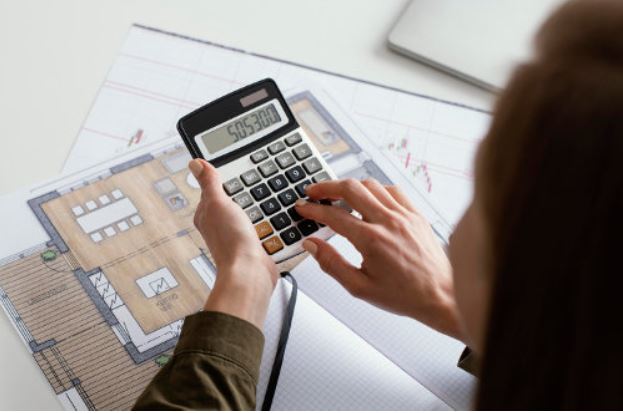
Floor areas are usually given in square feet, while lot areas are specified in acres. The first step in calculating the maximum allowable square footage that can be built up is to convert the property’s acreage to square feet. If a property’s size is 1.3 acres, for example, then it covers 1.3 x 43,560 (the number of square feet in an acre), or 56,628 square feet. Say the Floor Area Ratio of the zone is 0.135. Then the maximum allowable floor area of any structure built on that property is 56,628 x 0.135 or 7,644.78 square feet.
Similarly, for a 0.25 acre lot in a 0.36 FAR zone, the total permitted floor area of a building would be 43,560 x 0.25 x 0.36 or 3,920.40 square feet.
How FAR Affects Real Estate in Greenwich, CT
1. Determining Property Size and Scale:
FAR directly influences the size and scale of buildings in Greenwich. A higher FAR allows for larger structures, potentially leading to more expansive residential or commercial properties. Conversely, a lower FAR restricts the total buildable area, often resulting in smaller buildings and larger areas of open land. For buyers and investors, understanding FAR and how floor areas are determined helps in assessing the potential of a property for expansion or redevelopment.
2. Impact on Property Values:
Properties with higher FAR often command higher values due to their increased development potential. In Greenwich, where land is both valuable and limited, properties with favorable FAR ratios can offer substantial returns on investment. This is particularly relevant in areas undergoing redevelopment or where there is a demand for larger, more luxurious properties.
3. Influence on Neighborhood Character:
FAR limits help preserve the character and charm of Greenwich neighborhoods. By controlling the size and scale of new developments, an area’s FAR ensures that new buildings are in harmony with existing structures. This is crucial in maintaining the aesthetic and historical integrity of the community, particularly in areas with stringent zoning laws.
4. Guiding Development and Renovation Projects:
For developers and property owners, FAR is a key factor in planning renovation and new construction projects. Home buyers in Greenwich who plan to renovate or build additions to a house often want to know how much FAR is available on the property. Knowing the FAR allows them to determine the maximum allowable buildable area, which influences design choices, project feasibility, and compliance with local zoning laws. Greenwich development regulations can be strict, so understanding FAR helps navigate these requirements effectively.
Navigating FAR Regulations in Greenwich
Greenwich’s FAR regulations are part of a broader set of zoning laws designed to manage land use and development. These regulations are enforced by the town’s Planning and Zoning department. It’s important for anyone involved in real estate to familiarize themselves with these rules to ensure compliance and make informed decisions.
1. Consult with Local Authorities:
Before embarking on any real estate project, it is essential to consult with Greenwich’s zoning board. The board provides detailed information on FAR limits assigned to specific zones and can offer guidance on how these rules might impact your plans. In certain cases, depending on how closely your home’s area approaches its zone’s assigned Floor Area Ratio, you need to have your FAR verified by the town.
2. Work with Real Estate Professionals:
Experienced real estate agents and developers in Greenwich are well-versed in local FAR regulations and their implications. Partnering with professionals who understand the market and regulatory landscape can provide valuable insights and help you work within your area’s FAR limit. If your lot or home has any complexities in its shape or slope, you may need an engineer to determine your floor area.
3. Consider Future Developments:
Understanding FAR is not just about current property values but also about future potential. As Greenwich, CT continues to evolve, keeping an eye on changes in FAR regulations and development trends can help shape long-term investment plans.
Floor Area Ratio (FAR) is a critical element in Greenwich real estate that affects property size, value, neighborhood character, and development potential. By understanding FAR and its implications, buyers, sellers, and investors can make more informed decisions, ensuring that they navigate the market effectively and align their projects with local regulations. Whether you’re looking to invest in a new property or develop an existing one, grasping the role of FAR will help you unlock the full potential of the Greenwich real estate market.