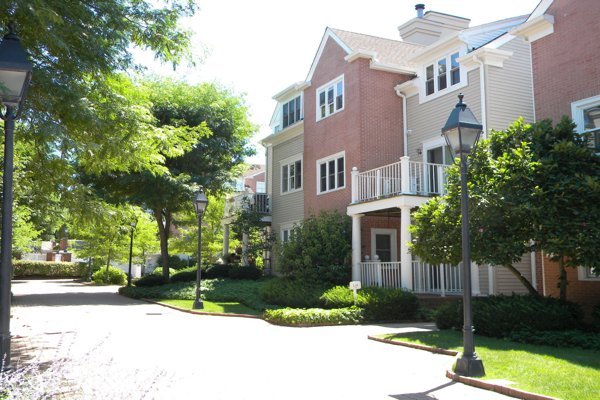
Condominiums remain one of the most attractive housing options in Greenwich, Connecticut. They offer convenience, access to shared amenities, and the opportunity to live and build equity in prime locations without the upkeep of a single-family home. Yet owning a condo also means becoming part of a community governed by a set of rules and regulations established by the homeowners’ association (HOA) or condominium board.
For buyers entering the Greenwich condo market in 2026, these rules are more important than ever. They not only shape daily living but also influence resale potential and long-term investment value. This comprehensive guide explores the typical categories of condo rules, dispels common myths, and answers questions buyers frequently ask before committing to a purchase.
Why Rules Matter in Greenwich Condominiums
Condo rules are designed to balance individual ownership rights with collective community interests. In a market like Greenwich, where properties carry significant value, HOAs and condo boards play a central role in preserving aesthetics, reducing conflicts, and ensuring that common spaces are maintained responsibly.
Without clear rules, communities risk noise disputes, inconsistent property conditions, and declining values. For this reason, prospective buyers are strongly advised to review all governing documents before making an offer.
Common Categories of Condo Rules
Pet Policies
Many condominium associations impose restrictions on pets. These may include:
- Weight or size limits for dogs
- Restrictions on certain breeds
- Limits on the number of pets per unit
- Designated pet-friendly areas
- Leash requirements.
Leasing and Rental Restrictions
Condominiums often regulate leasing to maintain community stability. Buyers should expect policies such as:
- Minimum lease terms (often one year).
- Caps on the percentage of rental units allowed.
- Prohibitions on short-term rentals, including Airbnb.
Condo Renovations and Alterations
Individual ownership does not mean unlimited freedom to remodel. Rules frequently require:
- Board approval for structural changes.
- Restrictions on flooring or materials to reduce noise.
- Prohibition of external alterations affecting the building’s appearance.
Parking Regulations
Parking is another common area of regulation by condo boards and HOAs. Rules may specify:
- Assigned spaces for each unit.
- Guest parking protocols.
- Restrictions on commercial vehicles or oversized trucks.
Use of Amenities and Common Areas
Shared amenities such as pools, gyms, and clubhouses typically have scheduled hours, reservation systems, and codes of conduct. Rules may address maximum occupancy for events, time limits, and age restrictions for certain facilities.
Typical Rules in Greenwich Condos (Illustrative Examples)
While every association is different, buyers in Greenwich are likely to encounter rules such as:
- One or two pets allowed per unit with restrictions
- Noise control guidelines, particularly during evening hours
- Renovations that require soundproof underlayment for flooring
- Minimum one-year lease terms for rentals
- Guidelines for exterior appearance and seasonal decorations.
These examples highlight the importance of reading the full rulebook rather than relying on assumptions or verbal assurances.
Myths and Facts About Condo Regulations
| Myth | Fact |
|---|---|
| Condo rules are identical across Greenwich. | Each condominium sets its own regulations, which can vary significantly. |
| Owners can always rent out their units. | Many associations restrict rentals or cap the percentage of rentable units. |
| Pets are rarely an issue in upscale condos. | Even luxury condominiums enforce strict pet policies. |
| Rules are permanent and unchangeable. | Associations can vote to amend rules and bylaws. |
Understanding the Role of the HOA
The homeowners’ association is responsible for:
- Enforcing rules and issuing fines for violations.
- Maintaining common areas and amenities.
- Managing the budget and collecting monthly fees.
- Approving or denying renovation requests.
Buyers should review not only the rules but also the association’s financial statements to gauge the long-term stability of the condo community.
Practical Considerations Before Buying a Condo
- Obtain and Review Documents Early
Request the HOA’s declaration, bylaws, rules, financial reports, and recent meeting minutes. - Ask About Rule Changes
HOAs and condo boards can and do update their policies. Knowing if major changes are planned helps avoid surprises. - Evaluate Fees and Assessments
Monthly fees may increase, and special assessments can significantly impact ownership costs. - Consult Professionals
An attorney experienced in Connecticut real estate can provide essential guidance.
Buyer FAQs
Are condo rules legally enforceable?
Yes. By purchasing a unit, owners agree to abide by the governing documents of the community.
Can rules be challenged?
Rules can often be challenged through the association’s governance process, but success depends on majority support from fellow owners.
Are there tax advantages to condo ownership compared to single-family homes?
Property tax rates in Greenwich apply equally, though shared maintenance may reduce certain individual costs.
Do rules apply equally to all residents?
Yes. Associations must apply rules uniformly to avoid legal challenges.
What happens if rules are violated?
Violations typically result in fines, restriction of amenities, or, in extreme cases, legal enforcement and foreclosure.
Key Takeaways
- Condo rules in Greenwich usually cover pets, rentals, renovations, parking, and use of amenities.
- Regulations differ widely between communities, making document review essential.
- Myths persist, but facts show that associations can and do enforce strict standards.
- HOAs and condo boards play a central role in managing both daily living and long-term financial health.
- Buyers should factor in rules, fees, and potential assessments when evaluating a purchase.
Why Rules Are Becoming Stricter in 2026
The rise in demand for condos has led many associations to tighten rules to ensure long-term property value and community cohesion. Buyers can expect more consistent enforcement of pet restrictions, closer monitoring of rentals, and higher expectations for renovations.
Condo living in Greenwich can provide convenience, security, and access to amenities, but your satisfaction as an owner depends on matching your personal lifestyle needs with the framework of community rules.
Moving Forward as a Prepared Buyer
Understanding condominium rules is not about limiting freedom; it is about aligning expectations with community living. Buyers who enter the process informed are more likely to enjoy both their homes and their neighborhoods. In 2026, being thorough in reviewing governing documents, asking the right questions, and planning ensures a more rewarding ownership experience and a better return on your investment.